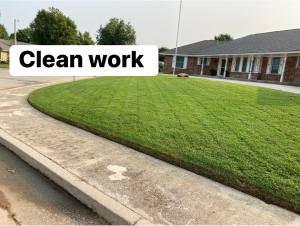
How to Design a Low-Maintenance Landscape in Oklahoma City
A beautifully designed landscape can significantly enhance the appearance and value of your home. However, maintaining a lush and picturesque garden can often feel like a full-time job, especially for new homeowners or busy housewives balancing various responsibilities. The good news is, with a bit of planning and the right choices, you can create a stunning, low-maintenance landscape that offers visual appeal without demanding too much of your time.
In this blog, we'll walk you through the essential steps to design a low-maintenance landscape, from selecting the right plants to implementing effective irrigation systems. By the end, you'll be well-equipped to transform your yard into a serene and manageable oasis.
Understanding Low-Maintenance Landscaping
What Is Low-Maintenance Landscaping?
Low-maintenance landscaping focuses on designing outdoor spaces that require minimal upkeep. This approach reduces the labor and time required for tasks such as watering, weeding, pruning, and mowing. The goal is to create a sustainable and attractive environment that thrives with minimal human intervention.
Why Choose a Low-Maintenance Landscape?
For new homeowners or busy housewives, a low-maintenance landscape offers several benefits:
- Time-saving: Spend less time on yard work and more time enjoying your outdoor space.
- Cost-effective: Reduces the need for expensive gardening services or frequent replacements of plants and materials.
- Eco-friendly: Often involves using native plants that require less water and fewer chemicals.
- Resilient: Creates a durable and long-lasting landscape that can withstand various weather conditions.
Planning Your Low-Maintenance Landscape
Start with a Plan
Before you start planting, it's essential to have a well-thought-out plan. Take time to assess your yard, noting areas of sun and shade, soil type, and existing vegetation. Sketch a rough layout of your desired landscape, incorporating elements such as flower beds, pathways, and seating areas. This plan will serve as a roadmap for your project.
Choose the Right Plants
The plants you choose play a crucial role in the maintenance level of your landscape. Opt for native plants and drought-tolerant species that are well-suited to your local climate and soil conditions. These plants are often hardier and require less water and care.
Native Plants
Native plants are species that naturally occur in your region. They are adapted to the local climate, soil, and wildlife, making them easier to grow and maintain. Examples of native plants include:
- Eastern Redbud (Cercis canadensis)
- Black-eyed Susan (Rudbeckia hirta)
- Daylilies (Hemerocallis sp.)
Drought-Tolerant Plants
Drought-tolerant plants can survive with minimal water, making them ideal for low-maintenance landscapes. Examples include:
- Lavender (Lavandula sp.)
- Sedum (Sedum sp.)
- Yarrow (Achillea millefolium)
Simplifying Your Lawn
Opt for Ground Covers
Traditional lawns require regular mowing, watering, and fertilizing. To reduce maintenance, consider replacing portions of your lawn with ground covers. These low-growing plants spread to form a lush carpet, reducing the need for mowing and weeding. Popular ground covers include:
- Creeping Thyme (Thymus serpyllum)
- Periwinkle (Vinca minor)
- Creeping Jenny (Lysimachia nummularia)
Reduce Lawn Size
If a traditional lawn is essential to your design, consider reducing its size. A smaller lawn means less mowing, watering, and fertilizing. Replace the excess lawn area with low-maintenance elements such as gravel paths, mulch beds, or decorative stones.
Efficient Irrigation Systems
Install Drip Irrigation
Drip irrigation systems deliver water directly to the roots of plants, reducing water waste and ensuring that plants receive consistent moisture. These systems are more efficient than traditional sprinklers and require less maintenance.
Use Rain Barrels
Rain barrels collect and store rainwater from your roof, providing a sustainable and free source of water for your garden. Use this water to irrigate your plants during dry periods, reducing your reliance on municipal water supplies.
Low-Maintenance Garden Features
Mulching
Mulch is a gardener's best friend when it comes to low-maintenance landscaping. It helps retain moisture, suppresses weeds, and regulates soil temperature. Organic mulches like wood chips or straw break down over time, enriching the soil. Apply a 2-3 inch layer of mulch around your plants and replenish it annually.
Hardscaping
Incorporating hardscape elements can reduce the amount of plant care required in your landscape. Hardscaping involves the use of non-plant materials such as stone, wood, and concrete to create features like:
- Stone paths: Easy to maintain and add visual interest.
- Patios and decks: Provide outdoor living spaces without the need for mowing.
- Rock gardens: Low-maintenance and drought-tolerant landscaping option.
Container Gardening
Container gardening is an excellent way to add color and interest to your landscape without the need for extensive planting beds. Potted plants are easy to care for and can be moved around as needed. Choose large containers that hold moisture well and group them together for a striking display.
Seasonal Care Tips
Spring
Inspect and clean: After winter, check your irrigation systems, remove debris, and tidy up your garden beds.
Divide perennials: If needed, divide overgrown perennials to promote healthy growth.
Apply mulch: Replenish mulch around plants to prevent weed growth and retain moisture.
Summer
Water efficiently: Use drip irrigation or water early in the morning to reduce evaporation.
Deadhead flowers: Remove spent blooms to encourage continuous flowering.
Monitor pests: Keep an eye out for pests and treat infestations promptly with eco-friendly solutions.
Fall
Plant bulbs: For spring blooms, plant bulbs like daffodils and tulips in the fall.
Rake leaves: Remove fallen leaves to prevent them from smothering your plants.
Mulch again: Add a fresh layer of mulch to protect plants during the winter.
Winter
Protect plants: Cover delicate plants with burlap or frost cloth to shield them from harsh weather.
Prune: Prune shrubs and trees to remove dead or damaged branches.
Plan for spring: Use the winter months to plan any changes or additions to your landscape for the upcoming season.
Conclusion
Designing a low-maintenance landscape doesn't mean sacrificing beauty or creativity. With careful planning, the right plant choices, and smart gardening practices, you can create an outdoor space that's both stunning and easy to care for. Remember, the key to a low-maintenance garden is to work with nature, not against it. By selecting native plants, minimizing lawn areas, and incorporating efficient irrigation systems, you'll save time, money, and effort while enjoying a vibrant and attractive landscape.
Ready to transform your yard? Start by creating a plan and choosing the right plants for your low-maintenance landscape. If you need tools, check out our local friend lawnandlandscapeproducts.com